30 October – 2 November 2026 | Africama, Nairobi, Kenya
From institutional commitments to a culture of protection, accountability and care
The Jesuit Conference of Africa and Madagascar (JCAM) continues to advance its commitment to safeguarding children and vulnerable adults through strengthened institutional structures, professional formation, policy development and collaborative initiatives across its provinces and apostolic works.
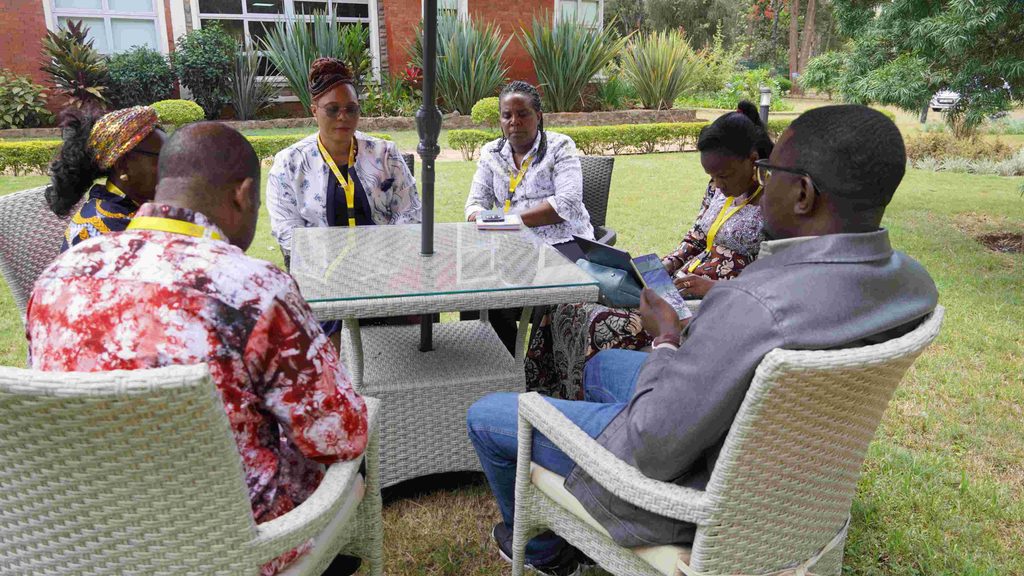
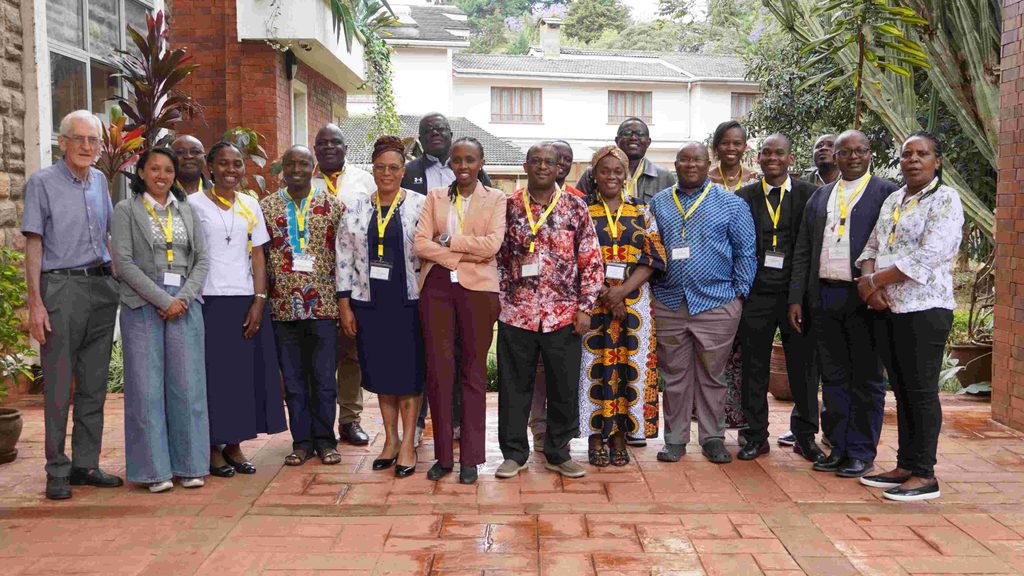
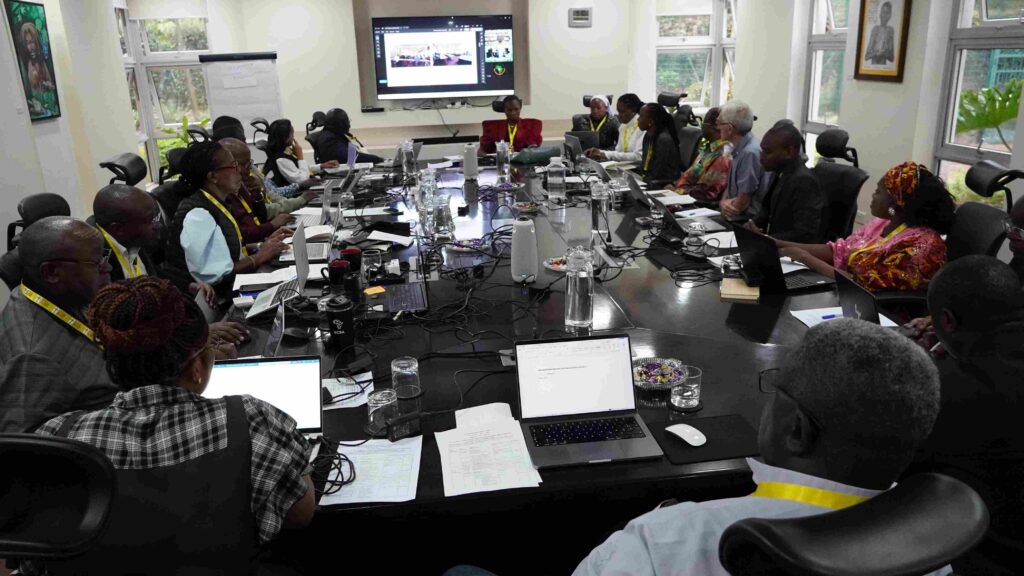
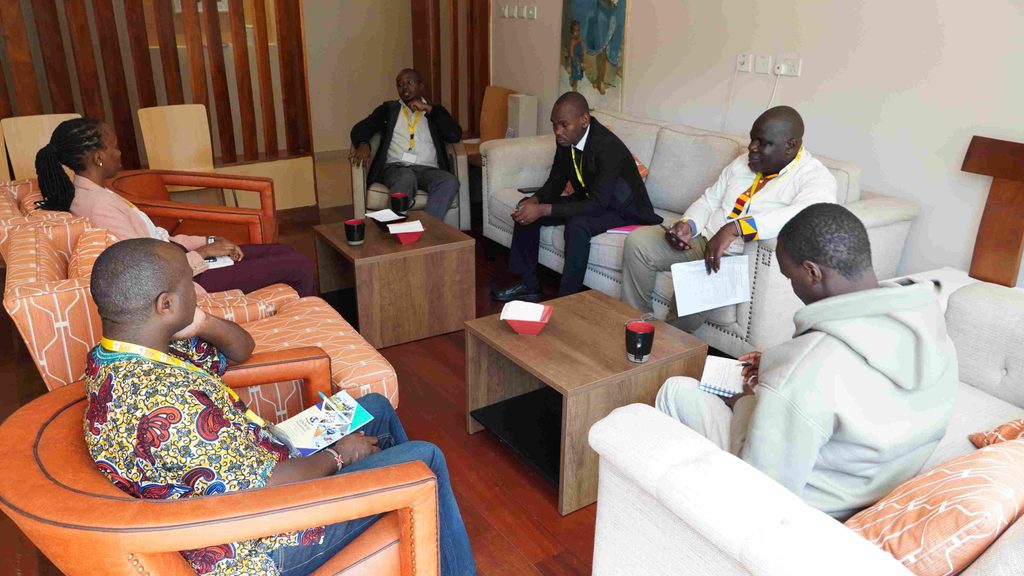
These developments were highlighted during the 2026 JCAM Province Safeguarding Officers’ (PSOs) Conference, held at Africama under the theme “Safeguarding Strategic Plan: What Is Working Well and What Is Not Working Well.” The gathering brought together Province Safeguarding Officers from Jesuit provinces across Africa and Madagascar to reflect on progress, share experiences and identify practical ways of strengthening safeguarding implementation.
The conference provided an opportunity to assess the impact of safeguarding initiatives across educational institutions, religious communities, pastoral settings and other apostolic works. Reports and presentations demonstrated considerable progress in building awareness, strengthening safeguarding personnel, expanding training opportunities, developing institutional policies and establishing collaborative networks.
A central message emerging from the conference was that safeguarding must go beyond policies and compliance requirements to become an integral part of the Jesuit mission and the everyday life of its institutions.
Safeguarding as a Central Part of the Jesuit Mission
In his opening remarks, Very Rev. José Minaku, President of JCAM, reaffirmed that safeguarding is not a separate or occasional responsibility but an essential component of the Conference’s mission.
He emphasized that as JCAM renews its common apostolic projects, safeguarding must be integrated into all areas of ministry, including education, pastoral work, justice, reconciliation and formation.
The President acknowledged several important developments across the Conference, including the implementation of recommendations arising from the PCCP audits, the introduction of twice-yearly self-audits, strengthened safeguarding networks, the integration of safeguarding into formation programmes, and the piloting of the PCCP safeguarding programme in schools.
He also recognized the contribution of research on restorative justice and the continued growth of the Community of Practice and Safeguarding Consortium as important platforms for strengthening professional knowledge, collaboration and shared learning.
His remarks reinforced the importance of collective responsibility, emphasizing that safeguarding cannot be left to safeguarding officers alone. Provincial leadership, major superiors, institutional directors, collaborators and every member of the community have a role in creating environments where children and vulnerable persons are protected and treated with dignity.
Strengthening Safeguarding Formation and Institutional Awareness
One of the most significant areas of progress reported during the conference was the expansion of safeguarding education and awareness across Jesuit institutions and communities.
Hekima University College strengthens its safeguarding structures
Hekima University College (HUC) reported important developments during the 2025–2026 academic year aimed at strengthening institutional awareness, accountability and a culture of safety.
The College conducted a safeguarding awareness workshop for 32 non-teaching staff members, while newly admitted students received sensitization on personal safety, respectful conduct and procedures for reporting safeguarding concerns.
To improve institutional visibility, safeguarding statements were displayed in strategic locations across the College. The institution also revised its Safeguarding Policy to reflect 2026 requirements.
Another important development was the establishment of a dedicated Safeguarding Office. The office provides a central point for coordination, consultation, documentation and accessibility of safeguarding services within the College.
These initiatives represent important steps towards embedding safeguarding into the daily operations of the academic community and ensuring that students and staff have access to safeguarding information and support.
JCSA expands safeguarding formation across the region
The Jesuit Centre for Safeguarding in Africa (JCSA) reported substantial progress in safeguarding formation, institutional support, partnerships and regional awareness initiatives during 2026.
Through theology formation supported by the Hilton Foundation, JCSA trained 266 safeguarding-course finalists, contributing to the preparation of individuals with safeguarding knowledge and competencies for service in their respective institutions and communities.
The Centre also facilitated six days of safeguarding formation for 20 Medical Missionary Sisters in Arusha, Tanzania. This formation strengthened participants’ understanding of safeguarding principles and their application within religious and pastoral contexts.
Through the Memorare Initiative, JCSA facilitated consultations involving 65 participants across three dioceses: Mombasa, Malindi and Garissa. These engagements contributed to the development of safeguarding awareness and institutional dialogue within diocesan structures.
The Centre further strengthened its Community of Practice (CoP), recording seven sessions between March and September 2026. These sessions registered 2,791 combined attendance and viewing instances, demonstrating the growing reach of the platform as a space for professional exchange, learning and reflection.
Across these activities, JCSA continued to emphasize prevention, protection, healing, continuous formation and institutional transformation. Its approach also recognizes the importance of African cultural realities, Ubuntu, human dignity, confidentiality, consent and survivor-centred safeguarding practices.
Looking ahead, the Centre has identified priorities for 2027 that include expanding safeguarding formation, supporting dioceses in developing and implementing safeguarding policies and structures, developing accessible e-learning programmes, strengthening African safeguarding research and advancing the proposed Counselling and Safeguarding Centre through feasibility work and resource mobilization.
These priorities form part of its longer-term Vision 2030, which seeks to establish integrated safeguarding formation, stronger institutional structures and a continental network of safeguarding practitioners.
Integrating Safeguarding with Mental Health and Human Well-being
The Centre for the Promotion of African Culture (COPAC) presented an important perspective on the relationship between safeguarding, mental health and well-being.
In a presentation by Messingué Jean, COPAC emphasized that safeguarding should not be understood exclusively as protection against abuse. It should also contribute to the promotion of psychological well-being, the recognition of vulnerability and the development of environments characterized by care and respect.
Through initiatives in Côte d’Ivoire, Senegal, Benin and Burkina Faso, COPAC is developing programmes that integrate safeguarding training, mental health education, counselling and psycho-spiritual care.
These initiatives include safeguarding certificates for caregivers, mental health and well-being education, counselling services and programmes focused on religious community management.
COPAC is also expanding its academic contribution to this field. Its Bachelor’s degree in Psychology is already open, while four proposed Master’s programmes were expected to open in Fall 2026.
This integrated approach broadens the understanding of safeguarding by recognizing that protecting human dignity also involves attending to psychological, emotional, spiritual and social well-being.
Strengthening Safeguarding Across JCAM Institutions
At the institutional level, JCAM continues to strengthen its safeguarding framework through policy implementation, staff awareness, recruitment processes and the development of clearer institutional responsibilities.
Anastasia Makunu’s presentation on safeguarding at Africama highlighted the implementation of the JCAM Safeguarding Policy, approved on 1 September 2023.
The policy provides a framework for protecting children and vulnerable adults and applies to staff, officials, volunteers, collaborators, consultants and partners working with the Secretariat.
Progress has been made in integrating safeguarding into recruitment processes, staff induction and institutional awareness.
The presentation also outlined a proposed 12-month action plan focusing on policy review, the development of a sexual harassment policy, clearer complaints procedures, safeguards addressing artificial intelligence and online abuse, and continuous staff training.
The central objective is to move from safeguarding as a policy requirement to safeguarding as an established institutional habit.
This reflects the understanding that institutional policies achieve their intended purpose when they influence everyday conduct, decision-making and relationships.
Building Stronger Provincial Safeguarding Structures
Reports from the different Jesuit provinces demonstrated how safeguarding is increasingly being integrated into institutional planning, personnel development, monitoring and community engagement.
Eastern Africa Province (AOR)
The Eastern Africa Province reported progress through monitoring and evaluation visits conducted across its apostolates and Jesuit communities.
These visits provided an opportunity to assess safeguarding implementation directly and engage institutional leadership and Local Safeguarding Officers.
Among the notable achievements were the appointment of Local Safeguarding Officers in most apostolates, increased safeguarding awareness among Jesuits and the allocation of resources towards safeguarding activities.
The Province also acknowledged continued support from its Treasury and Irish Jesuit International (IJI), which has contributed to safeguarding initiatives.
Looking ahead, the Province plans to support all apostolates in developing their own safeguarding policies and ensure that each apostolate conducts at least one safeguarding seminar annually.
It also intends to strengthen safeguarding capacity in Tanzania through training-of-trainers programmes in Dodoma, integrate safeguarding into Jesuit formation and vocation screening, and extend safeguarding training to other Church institutions.
North-West Africa Province (ANW)
The North-West Africa Province presented its ten-year safeguarding strategic journey covering 2019–2029.
The journey has progressed through three main phases: awareness and sensitization between 2019 and 2021, the development of policies and safeguarding structures between 2021 and 2024, and self-assessment, monitoring and evaluation between 2024 and 2026.
A notable achievement was the establishment of safeguarding structures and the development of institutional policies across its apostolates in Ghana, Nigeria, The Gambia, Sierra Leone and Liberia.
The Province’s 2026 Universal Guidelines Framework self-assessment involved 16 of its 23 apostolates, recording an average safeguarding maturity score of 2.98 out of 4.0.
The Province has also developed a pool of approximately 70 JCSA-certified safeguarding personnel, providing an important foundation for strengthening safeguarding implementation across its institutional network.
For the 2027–2029 period, ANW intends to consolidate four strategic pillars: ownership, prevention, accountability and sustainable safeguarding culture.
Its priorities include annual safeguarding plans and risk registers for every apostolate, the development of in-Province safeguarding trainers, regular monitoring and evaluation, and the integration of safeguarding into institutional budgets, planning and Jesuit formation.
Southern Africa Province (SAP)
The Southern Africa Province highlighted the importance of combining institutional safeguarding structures with practical training and child participation.
Among its notable achievements was the My Voice, My Safety, My Future symposium, which brought together 150 learners and 15 teachers.
The symposium provided an opportunity to place children and young people at the centre of safeguarding conversations and strengthen their participation in matters concerning their safety and protection.
The Province also conducted a Training of Trainers programme and organized a retreat attended by 25 safeguarding officers.
These initiatives demonstrate the importance of building safeguarding knowledge among institutional personnel while creating opportunities for children and young people to contribute to safer environments.
The Province’s priorities for 2027 include leadership accountability, locally adapted safeguarding procedures, continued mentoring of focal persons, child-friendly and confidential reporting mechanisms, and stronger monitoring through quarterly reports and institutional improvement plans.
Rwanda-Burundi Province (RWB)
The Jesuit Rwanda-Burundi Province reported progress in strengthening safeguarding across its apostolates during the 2025–2026 reporting period.
Most apostolates now have safeguarding policies, while efforts have also been made to appoint safeguarding officers, display safeguarding commitments and provide staff training.
The Province has extended safeguarding awareness beyond institutional personnel through community-based initiatives.
Notably, parenting sessions at Saint Ignatius Schools and a training partnership with U’Mwiza Rwanda have contributed to promoting safeguarding awareness and strengthening engagement with families and communities.
The Province’s planned activities include strengthening collaboration with apostolate directors and safeguarding officers, promoting positive and non-violent approaches to child discipline, developing standardized training materials and establishing an effective safeguarding case management system.
Madagascar Province (MDG)
The Madagascar Province recorded particularly notable progress in expanding safeguarding structures and community awareness.
The Province has established a network of 105 local Child Protection Officers (CPOs), providing a significant foundation for coordinating safeguarding activities across its institutions and communities.
Through various training and awareness programmes, the Province reached 1,344 participants.
These activities involved priests and religious, catechists, school staff, youth associations, parents and community members.
Training topics included abuse prevention, childhood trauma, positive discipline and the creation of safe environments.
Another important achievement was the establishment of a Catholic network for the protection of minors and vulnerable persons. The network provides a platform for cooperation, experience-sharing, prevention initiatives, referral and accompaniment of victims.
The Province also continued to strengthen partnerships with dioceses and other Catholic organizations through regional safeguarding workshops, parental education sessions and school-based training.
Looking ahead, the Province plans to continue regular training, institutional visits and victim accompaniment. It also intends to implement the PCCP programme in two schools: St Michel and St François Xavier.
Central African Province (ACE)
The ACE Safeguarding Commission reported progress in strengthening safeguarding formation, institutional structures and awareness across the Province.
During the reporting period, the Commission underwent restructuring, welcoming two new members: Mrs. Maggy Ntana, an educator, and Fr. Jules Kiangala, a clinical psychologist.
Safeguarding workshops were conducted in formation houses, schools, dioceses, religious congregations and social centres.
The activities included workshops in Kikwit, Kisangani, Mbuji-Mayi and Lubumbashi, focusing on abuse prevention, case management, recognizing abusive situations and understanding safeguarding responsibilities.
An important institutional resource remains the Province’s Safeguarding Vade Mecum, published in 2022. It continues to guide the development of safeguarding policies and protocols across schools, social centres, spiritual centres and the university.
Staff receive training on institutional protocols, while students are informed about reporting procedures.
The Province has also undertaken improvements to buildings and facilities to strengthen the physical safety of institutional environments.
Its future priorities include expanding safeguarding programmes in Angola, collaborating with Fe y Alegria Angola, ensuring that apostolic works and communities develop safeguarding policies, improving communication with safeguarding officers and reviewing the Province’s Vade Mecum.
Central African and West African Jesuit Safeguarding Initiatives (AOC)
The Province Safeguarding Commission reported several targeted formation and awareness initiatives during the 2025–2026 period.
A notable achievement was the safeguarding formation conducted for 30 Jesuit scholastics, all of whom signed a commitment to prevent abuse and take responsibility for safeguarding.
The Commission also trained four perpetually professed Sisters in Yaoundé.
The training addressed healthy leadership, childhood trauma, abuse prevention and the impact of adverse childhood experiences.
Other initiatives included online training on educating children without shouting, participation in an international safeguarding conference at the University of Ottawa, and support to the Catholic University of Central Africa (UCAC) in developing its safeguarding policy and protocol.
The Provincial has also approved changes to strengthen the Safeguarding Commission, with three additional Jesuits expected to join the team. Plans are underway to establish a safeguarding secretariat to support coordination and implementation.
Advancing Safeguarding in Schools Through the PCCP Programme
An important contribution to the conference came from Fr. John Guiney, who presented an update on the work of the PCCP, particularly its safeguarding initiatives in schools, formation programmes and spiritual settings.
His presentation demonstrated the growing emphasis on moving from safeguarding knowledge and awareness towards practical implementation and the development of sustainable safeguarding cultures.
Course 1: Building Knowledge and Understanding
A major development was the launch of Course 1 of the safeguarding programme in Francophone Africa.
The course had previously been piloted in schools in different parts of the world and reached more than 1,000 participants during the preceding year. Participants included teachers, safeguarding delegates, educational coordinators, school counsellors and chaplains.
The course comprises four modules and twelve lessons, combining Ignatian spirituality with scientific perspectives on safeguarding.
Feedback and impact assessments from participating schools indicated increased understanding of different forms of abuse, improved motivation and greater confidence in responding to safeguarding concerns.
The training also contributed to changes in how some teachers approached difficult situations involving students. Rather than immediately resorting to exclusion or punishment, teachers reported greater willingness to engage students in dialogue and understand the underlying issues.
The impact extended beyond the classroom. In some instances, students discussed the safeguarding content with their parents, encouraging wider conversations about child protection, physical punishment and parent-child relationships.
Following the positive pilot experience, Course 1 was translated into French and launched in seven schools and colleges in Francophone Africa.
The presentation also emphasized the importance of translating safeguarding resources into local languages to ensure that the content is accessible and meaningful to the communities using it.
Course 2: Moving from Knowledge to Action
Fr. Guiney also introduced Course 2, which was piloted in schools that had completed Course 1.
While Course 1 focuses primarily on developing knowledge and understanding, Course 2 emphasizes practical action and the development of a safeguarding culture.
The course focuses on four main areas:
- Co-creating a safeguarding culture: Engaging the entire school community in developing safeguarding norms, protocols, policies and risk assessments.
- Safeguarding education for families and communities: Extending safeguarding awareness beyond schools to parents and other community members.
- Bystander intervention: Equipping students and community members with the knowledge and confidence to respond appropriately when they witness abuse or unsafe behaviour.
- Sustaining safeguarding conversations: Encouraging continuous learning, reflection and dialogue within the wider school community.
An important example presented was the engagement of transport operators as safeguarding allies to help protect girls travelling to and from school.
This initiative recognizes that children’s safety extends beyond school premises and requires cooperation from the wider community.
The impact of Course 2 will be assessed before the programme is considered for wider implementation across the Society of Jesus.
Integrating Safeguarding into Jesuit Formation
The PCCP is also collaborating with formation delegates to develop safeguarding modules appropriate for different stages of Jesuit formation.
The proposed resources will address areas such as human relationships, community interaction, trust, transparency and accountability.
Safeguarding will be integrated into these broader formation themes rather than treated as an isolated subject.
The approach recognizes that formation needs differ depending on whether an individual is in the novitiate, Regency, theological studies or another stage of formation.
The intention is to provide progressive and contextually appropriate safeguarding formation that complements existing programmes and resources.
Creating Safer Spiritual and Pastoral Environments
Another important area of work is the establishment of a task force examining ethical principles for creating safe spaces within ministries of spirituality.
The initiative recognizes that safeguarding concerns can arise in spiritual direction, retreats and other pastoral settings.
The task force is drawing on expertise from different conferences and professionals working in psychology, spirituality, retreats and ministry with young people.
Its objective is to develop guidance for creating safer spiritual environments, which will subsequently be presented to the appropriate Church leadership for consideration.
Strengthening Collaboration and Shared Responsibility
The presentations and discussions throughout the conference reinforced the importance of collaboration among safeguarding officers, provincial leadership, educational institutions, formation personnel and other stakeholders.
The growth of safeguarding networks, professional training programmes and communities of practice demonstrates the increasing recognition that safeguarding is a collective responsibility.
JCSA’s Community of Practice, the Memorare Initiative, the Catholic protection networks in Madagascar, provincial safeguarding structures and PCCP programmes all contribute to this wider collaborative approach.
The conference also emphasized the importance of ensuring that safeguarding delegates remain actively involved in the development and implementation of programmes within their provinces.
Fr. Guiney reaffirmed that safeguarding delegates are central to safeguarding work within the provinces and that effective implementation requires consistent communication between the PCCP, safeguarding delegates, education coordinators, formation personnel and schools.
Such collaboration allows institutions to build on existing expertise, share resources and strengthen safeguarding implementation without unnecessarily duplicating existing programmes.
Strengthening Safeguarding Case Management: Moving from Reporting to Effective Response
An important area requiring further development, highlighted through the provincial reports, is safeguarding case management. While significant progress has been made in establishing safeguarding policies, offices, commissions and reporting structures, effective safeguarding also requires the capacity to manage reported concerns consistently, professionally and with appropriate follow-up.
The Southern Africa Province (SAP) report particularly highlighted the importance of strengthening the practical case-handling capacity of safeguarding focal persons. Its presentation emphasized that reporting and referral pathways must be clear, accessible and trusted, while those responsible for receiving safeguarding concerns need the necessary competencies to respond appropriately.
The report also identified the need for continued training, mentoring and supervision of safeguarding personnel so that safeguarding knowledge translates into effective case management.
Similarly, the Rwanda-Burundi Province (RWB) identified the establishment of an effective safeguarding case management system as one of its forward-looking priorities. This reflects the importance of having coordinated institutional procedures for receiving reports, documenting concerns, making appropriate referrals and ensuring that cases receive proper attention.
The ACE Province also included case management among the key subjects addressed through its safeguarding workshops, demonstrating the growing recognition that safeguarding personnel require practical skills in responding to reported incidents.
These developments point to an important distinction: having a reporting mechanism does not automatically mean that an institution has an effective case management system. The process must extend beyond receiving a complaint to include appropriate assessment, documentation, referral, response, follow-up and accountability, while maintaining confidentiality and respecting the dignity and rights of those involved.
Strengthening this area should therefore become an important part of the next phase of JCAM’s safeguarding strategy. This includes developing or standardizing case management procedures, equipping safeguarding officers and focal persons with practical competencies, strengthening referral networks and ensuring that institutions maintain appropriate documentation and follow-up systems.
A consistent, survivor-centred and accountable approach to case management is essential to ensuring that safeguarding concerns are not only reported but also handled responsibly and effectively.
Ultimately, the effectiveness of safeguarding systems must be measured not only by the existence of policies and the number of people trained, but also by the quality of institutional responses when concerns are raised.
Looking Ahead: From Strategic Commitments to Measurable Progress
The 2026 conference demonstrated that safeguarding across JCAM continues to develop through a combination of institutional leadership, professional formation, policy development, community participation and regional collaboration.
The achievements reported provide an important foundation for the next phase of safeguarding implementation.
Several priorities emerged across the presentations:
- Strengthening institutional ownership: Ensuring that safeguarding is integrated into institutional leadership, planning, budgeting and everyday operations.
- Expanding formation and capacity-building: Providing continuous safeguarding education for Jesuits, religious, staff, educators, safeguarding officers and community members.
- Improving institutional structures: Strengthening safeguarding offices, commissions, local focal persons and reporting mechanisms.
- Strengthening case management: Developing consistent procedures for receiving, assessing, documenting, referring and following up safeguarding concerns, supported by adequately trained personnel.
- Promoting child and community participation: Ensuring that children, families and wider communities are actively involved in creating safe environments.
- Strengthening prevention and accountability: Moving beyond policy awareness towards practical safeguarding measures, monitoring, evaluation and responsible institutional action.
- Promoting survivor-centred approaches: Building communities that recognize the dignity of survivors and provide appropriate support, accompaniment and pathways towards healing and justice.
- Expanding regional collaboration: Strengthening partnerships, research, professional networks and accessible safeguarding resources across Africa and Madagascar.
These priorities reflect a broader understanding of safeguarding as an ongoing institutional and cultural commitment rather than a series of isolated activities.
Conclusion: Safeguarding as a Shared Culture of Care
The 2026 JCAM Province Safeguarding Officers’ Conference demonstrated meaningful progress in strengthening safeguarding across Jesuit institutions and apostolic works in Africa and Madagascar.
From the training of hundreds of safeguarding personnel and the establishment of local protection networks to the development of institutional policies, expansion of school-based programmes and integration of safeguarding into formation, the reports highlighted concrete achievements that provide a foundation for continued institutional transformation.
The conference also brought into focus the importance of strengthening case management so that institutions can translate safeguarding commitments into effective responses, appropriate referrals and sustained support for those who raise concerns.
Safeguarding must therefore be understood as an expression of the Jesuit mission, rooted in the protection of human dignity, justice, responsibility and care for the most vulnerable.
In his closing remarks, Very Rev. José Minaku appreciated the openness, sincerity and commitment demonstrated by participants. He challenged them to ensure that the discussions and commitments made during the gathering translate into tangible improvements across their respective provinces and institutions.
He observed that many of the issues discussed had featured in previous meetings and emphasized that the true value of the conference would be demonstrated by the concrete progress participants could report at the next annual gathering.
He therefore encouraged participants to communicate the outcomes of the conference to their respective Safeguarding Commissions and Provincial Superiors, ensuring that the insights and commitments generated inform practical action.
He also reaffirmed his commitment to engaging Provincial Superiors and advocating for stronger institutional ownership, continuity and leadership support for safeguarding.
Ultimately, the central message of the conference was clear: safeguarding is not simply about having policies, structures or designated officers. It is about creating institutions and communities where every person, particularly children and vulnerable adults, feels safe, respected, valued and protected.
As JCAM and its apostolic institutions move forward, the focus must remain on sustaining the gains already made, strengthening collective responsibility, improving case management and translating safeguarding commitments into measurable and lasting change.