
Our Mandate
Advancing Safeguarding Through Research, Training and a Consistent Culture of Protection
JCSA advances safeguarding through contextually relevant research, quality training, and the development of knowledge and capacity to create healthy and safe environments for children and vulnerable adults across Africa.
A Foundation for Research and Training
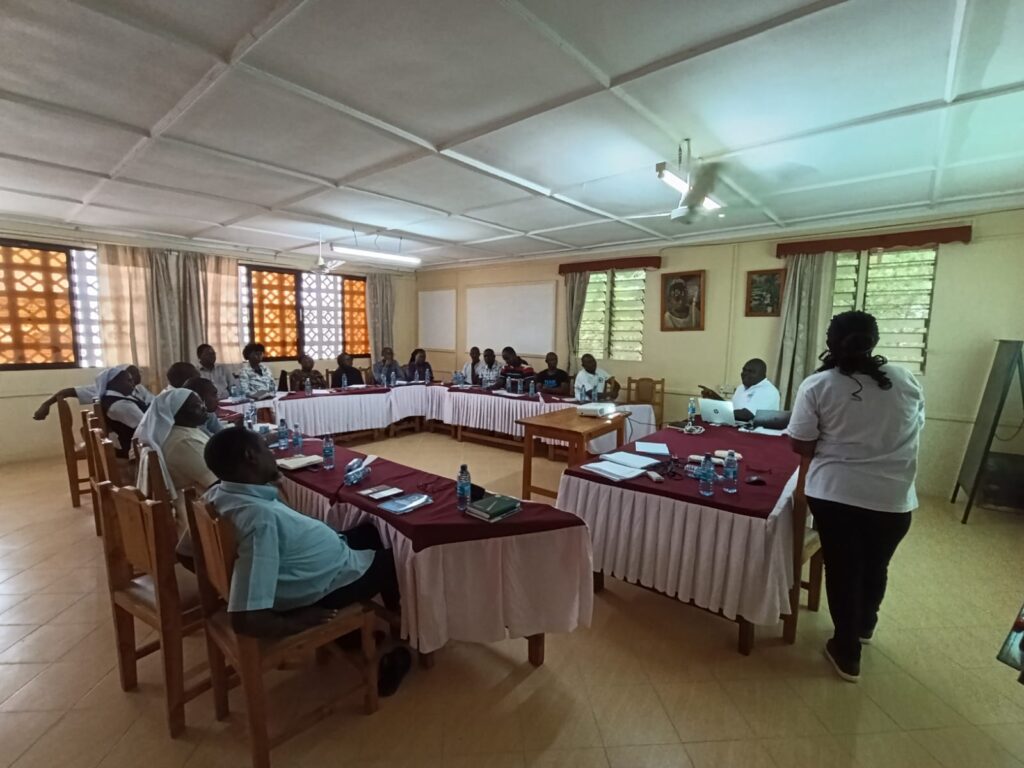
“A training and research centre under the auspices of JCAM be established at Hekima University College in Nairobi to coordinate teaching and research activities in Anglophone and Francophone Africa (the latter through L’Institut de Théologie de la Compagnie de Jésus [ITCJ], in Abidjan).”
The centre was established to coordinate teaching and research across two language contexts, working through Hekima University College in Nairobi and, for Francophone Africa, through ITCJ in Abidjan. Its mandate has two principal responsibilities, set out below.
- JCAM
- Hekima University College, Nairobi
- Anglophone Africa
- ITCJ, Abidjan
- Francophone Africa
Two Pillars. One Commitment to Safeguarding.
Evidence-Based Research
Pillar 01 · Research and Policy
“Conduct and publish contextually relevant and culturally sensitive evidence-based research, to inform relevant policies on child and vulnerable protection and safeguarding in church and society.”
Contextually Relevant
Research should respond to the realities and needs of the contexts in which safeguarding takes place.
Culturally Sensitive
Research should consider cultural contexts carefully while upholding the protection and dignity of children and vulnerable adults.
Evidence-Based
Research should generate credible knowledge that can inform policies on child protection and safeguarding in the Church and society.
Quality Safeguarding Training
Pillar 02 · Training and Capacity Building
“Provide quality training for the wider church & other religions, Jesuits and lay collaborators in mission to create healthy and safe environments by raising awareness on the seriousness of issues and increasing knowledge of policies and guidelines; case management; and training and formation to create a consistent culture of protection.”
Awareness and Understanding
Increasing understanding of safeguarding issues and the importance of protection.
Policies and Case Management
Strengthening knowledge of relevant policies, guidelines, and case management.
Formation and Safe Environments
Supporting training and formation that contribute to a consistent culture of protection.
Strengthening Existing Safeguarding Education
JCSA’s mandate builds on two existing academic and training initiatives. They are distinct programmes at two institutions.
2-credit academic course
A 2-credit academic course in Safeguarding of minors and vulnerable adults is offered every semester.
- 2-credit academic course
- Offered every semester
- Offered online & on-site
- Offered on self-paced
- Focus: safeguarding of minors and vulnerable adults
Ubuntu Safeguarding and Protection Program
At L’Institut de Théologie de la Compagnie de Jésus (ITCJ) in Abidjan, the programme brings together:
Academic Course
Specialised Seminars
External Training
For religious and lay persons.
Psychosocial Support to Survivors
Support to survivors of abuse.
Developing Understanding. Strengthening Capacity.
“JCSA seeks to develop a clear understanding of the safeguarding concept in the wider church, among the Jesuits in formation and other trainees, and enhance individual capacities in safeguarding and child/vulnerable adults protection through quality training.”
Understanding
Developing a clear understanding of safeguarding across the wider Church, among Jesuits in formation, and other trainees.
Capacity
Enhancing individual capacity in safeguarding and child protection.
Quality Training
Using quality training as a means of strengthening safeguarding understanding and practice.
A Consistent Culture of Protection Across Africa and Madagascar
“JCSA’s vision for the future is to have within Africa and Madagascar a consistent culture of protection as ‘a normal, habitual way of living, relating, working, in which those whom we serve, particularly children & vulnerable adults, always feel respected, safe, and loved.’”
Safeguarding as a Way of Life
Living Safely
Safeguarding becomes part of everyday life and community relationships.
Relating Responsibly
Respect, safety, and care shape how people relate to children and vulnerable adults.
Working Safely
Protection becomes an integral part of professional responsibilities, institutional practices, and service.
Contributing to Lasting Change
“JCSA, together with other on-going safeguarding initiatives within the Society of Jesus have the potential to contribute to the desired societal change in the long run, due to the importance and emphasis that they have been given by the leadership of the Society of Jesus.”
Safeguarding Initiatives
Learning and Capacity Building
Changing Attitudes and Practices
Long-Term Societal Change
Extending Learning Beyond the Society of Jesus
JCSA will share learning with other religious congregations, orders, and the wider Church and other religions in various ways, for transformation of attitudes and development of professional safeguarding standards.
- Sharing learning
- Religious congregations and orders
- The wider Church and other religions
- Transformation of attitudes
- Development of professional safeguarding standards
Learning shared by JCSA
Religious congregations and orders
The wider Church
Professional safeguarding standards
One Purpose. Three Connected Dimensions.
Mandate
Research and training that inform safeguarding policies, strengthen capacity, and support healthy and safe environments.
Mission
Developing safeguarding understanding and enhancing individual capacity through quality training.
Vision
A consistent culture of protection across Africa and Madagascar in which children and those served feel respected, safe, and loved.
Advancing a Culture of Safeguarding Together
Through research, quality training, shared learning, and collaboration, JCSA seeks to strengthen safeguarding understanding and contribute to environments where children and vulnerable adults are respected, safe, and protected.