
Who We Are
Building knowledge, capacity and a culture of safeguarding for children and vulnerable adults across Africa.
OUR ORIGIN
Strengthening Safeguarding Across Africa
The Jesuit Centre for Safeguarding in Africa (JCSA) was established at Hekima University College in Nairobi to coordinate teaching and research activities in Anglophone and Francophone Africa (the latter through L’Institut de Théologie de la Compagnie de Jésus [ITCJ]) in Abidjan, Ivory Coast.
Nairobi
Anglophone Africa
Abidjan, Ivory Coast
Francophone Africa
THE AFRICAN CONTEXT
Understanding the Context
01
Cultural Practices
Certain practices are accepted within communities, and a wider culture of silence can make abuse difficult to name.
02
Socio-economic Challenges
03
Conflict & War
War and conflict are among the major factors that put children at risk of abuse.
Safeguarding responses must therefore be contextually informed, culturally sensitive and rooted in prevention, protection and participation.
OUR JOURNEY
From Vision to Action
2021
The Centre becomes operational.
Launch
Official launch at Hekima University College, bringing together religious and laypersons.
Ongoing
Seminars and short courses on Child Protection and Safeguarding for religious and laypersons.
Looking ahead
Serving the wider Church in Africa, beyond the Society of Jesus.
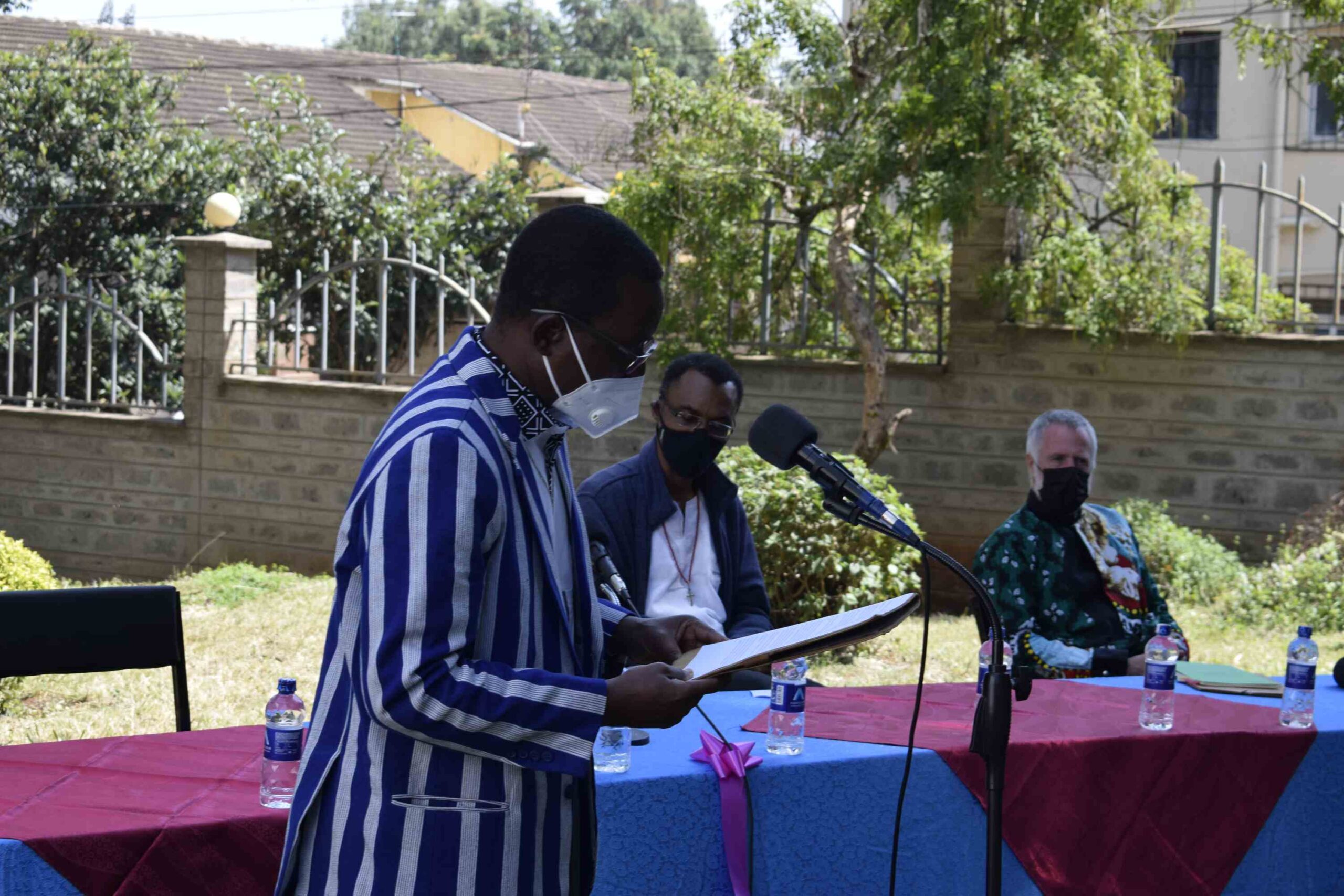
THE LAUNCH
A Centre Built for Collaboration
The launch brought together religious and laypersons to witness the milestones the Jesuits in Africa have made in enabling safe spaces within the African continent.
Children and Vulnerable Adults have a voice and are protected from all forms of abuse.
The Centre has been operational since 2021 and has facilitated numerous seminars and short courses on Child & vulnerable adults Protection and Safeguarding to both Jesuits and laypersons.
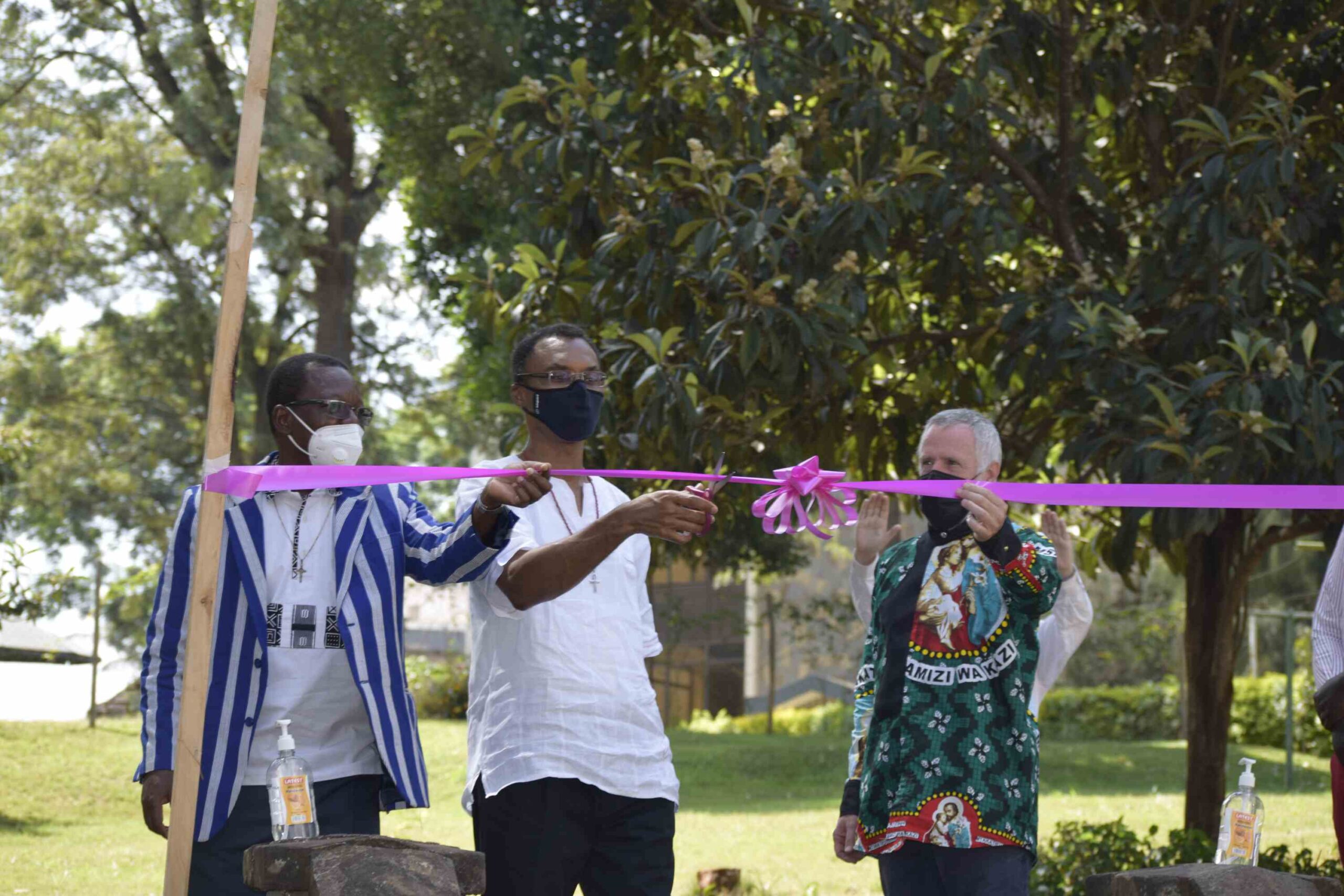
THE OFFICIAL OPENING
Ribbon-cutting and blessing
The then JCAM President Fr. Agbonkhianmeghe Orobator, SJ, officiated the launch, officially opening the Centre in a ribbon-cutting event. He also blessed the premises.

THE FIRST LEARNERS
Learning from the Beginning
Training is central to JCSA’s mission.
WHY THE CENTRE WAS CREATED
Building a Consistent Culture of Protection and Safety
…to promote, within the communities and ministries of the Society, a consistent culture of protection and safety for minors.
36th General Congregation of the Society of Jesus ~ 2016
CHURCH TEACHING
Protecting Those Who Are Most Vulnerable
Further inspiration came from Pope Francis’ 2016 Motu Proprio “As a loving mother”, which emphasises the role of the Church in child safeguarding.
- The Church has a duty to protect children and vulnerable adults.
- Special care is owed to those who are smallest and most defenseless.
- Safeguarding is a responsibility of the whole Church.
“…this duty of care and protection devolves upon the whole Church.”
36th General Congregation
+
“As a Loving Mother”
A stronger culture of protection and safety
THE AFRICAN SAFEGUARDING CHALLENGE
Safeguarding Must Be Understood in Context
Context matters. Culture matters. Understanding matters. Capacity matters.
01
Culture
02
Awareness
03
Conversation
04
Capacity
Meaningful safeguarding requires:
- Culturally relevant training
- Open conversation
- Contextual understanding
- Sustained capacity building
A CENTRE FOR THE CHURCH IN AFRICA
Bridging the Gap
The Centre was started with the aim of bridging the gap in training and conducting research to further inform the subject.
The Centre is also at the service of the Church in Africa, as it will not limit itself to serving the Society of Jesus.
Serving the Church in Africa
OUR TRAINING APPROACH
Comprehensive, Multidisciplinary Training
THEOLOGY
ANTHROPOLOGY
PSYCHOLOGY
LAW
Four disciplines, one integrated approach to safeguarding.
CONNECTING PROFESSIONALS
Learning Together Through a Community of Practice
Connection
Shared learning
Professional exchange
Contextual knowledge
Greater understanding
Collaboration
OUR ROLE
Research. Training. Collaboration.
Research
Training
Collaboration
OUR COMMITMENT
Building a Culture of Safeguarding
JCSA exists to strengthen understanding, training and research so that safeguarding can take root in the realities of the African context and contribute to safer communities where children and vulnerable adults are heard, respected and protected.