
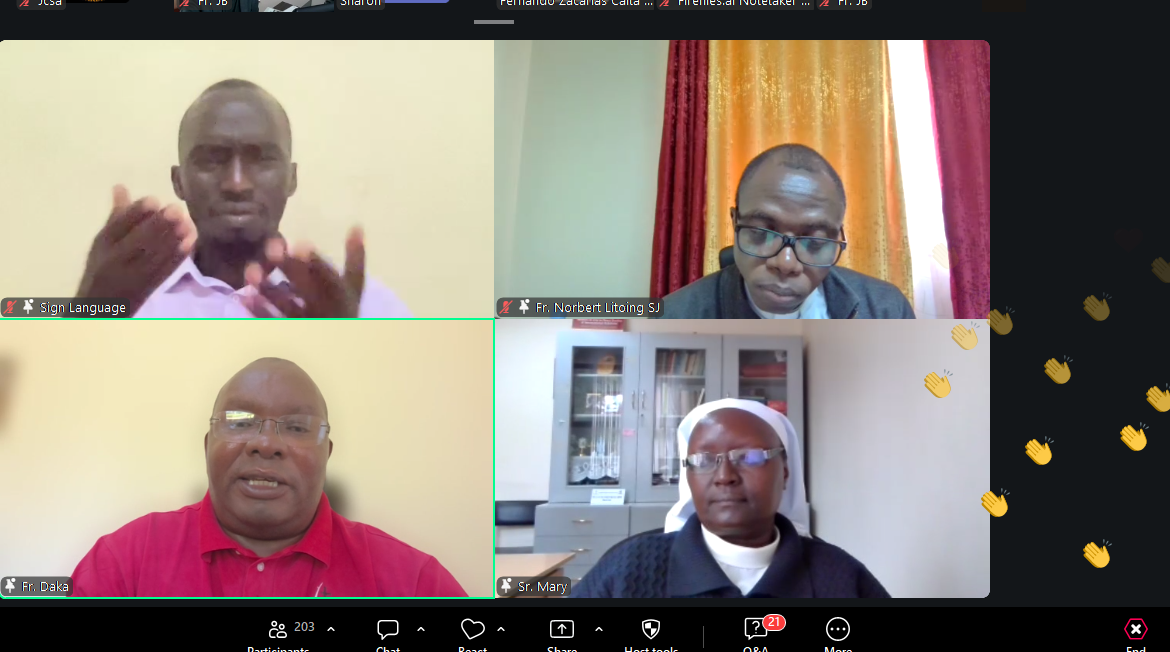
Shared Responsibility in Safeguarding is seen as a top priority today, but in many parts of Africa, faith communities play a key role in making it work. At a recent Jesuit Centre for Safeguarding in Africa webinar, speakers stressed that those who are most trusted have the biggest responsibility to protect others. This is especially true in Africa, where religious institutions are some of the most trusted and accessible groups in society.
Faith communities are places for worship, education, healthcare, and social support. They help shape moral values and influence how people act, both individually and as a group. But this trust can also make people vulnerable. If strong safeguarding systems are not in place, these communities might unintentionally allow harm to happen.
Safeguarding is more than just following rules or policies. It means always working to make sure everyone, especially children and vulnerable adults, is safe, respected, and protected from harm. This includes preventing abuse, protecting people, holding others accountable, and supporting survivors. The biggest challenge is making sure these efforts are carried out consistently in different settings.
A key idea is that responsibility for safeguarding is shared. It is not just the job of one group, denomination, or faith tradition. Everyone involved: religious leaders, institutions, and communities, must be accountable to the people, see this shared responsibility in real cases of abuse in Christian, Muslim, and African traditional settings. Often, abuse happens and continues when there is too much unchecked authority and not enough accountability. These risks are part of the system and are not limited to any single religion.
These examples show that safeguarding problems exist in all religions. Because of this, solutions also need to cross religious lines, which makes working together between faiths essential.
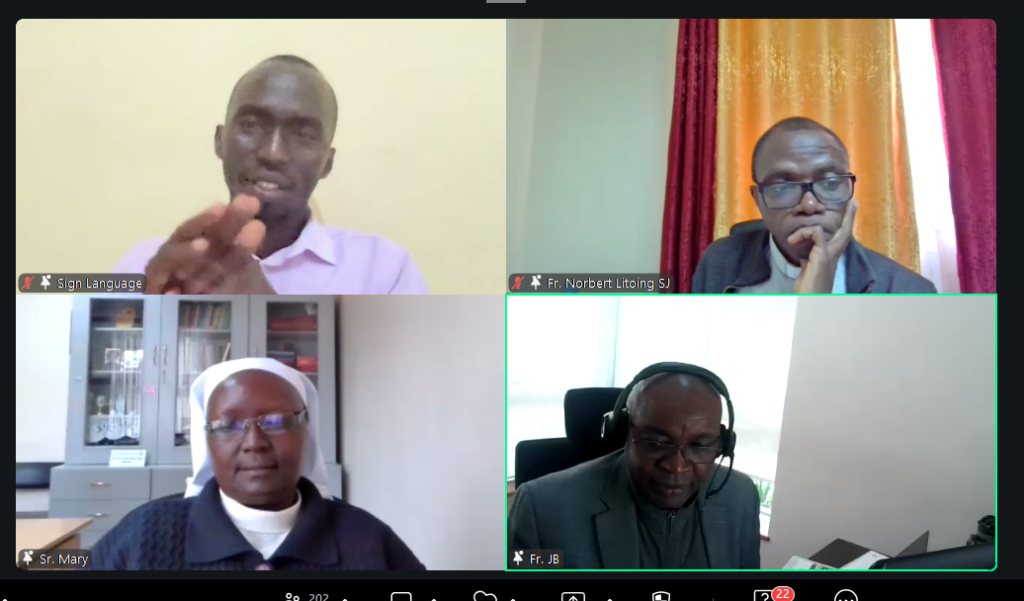
An interfaith approach to safeguarding offers key advantages. It amplifies the moral voice, as collective messages from diverse leaders carry greater credibility. It enables shared learning, with each tradition contributing unique experiences and best practices. Collaboration also broadens impact, reaching communities beyond any single faith group.
Safeguarding is not something new or forced onto religious traditions. It is already a core part of them. Christianity, Islam, and African traditional beliefs all stress the importance of human dignity, caring for the vulnerable, and looking out for each other. Ideas like stewardship, justice, and Ubuntu support the moral duty to protect others.
But sometimes, religious texts and traditions meant to support safeguarding are misused. People may interpret them in ways that excuse silence, support harmful power structures, or protect those who do wrong. For example, teachings about obedience or submission can be twisted to stop people from reporting abuse, and cultural ideas about respecting authority can make it hard to question bad behavior. The real problem is how these teachings are used, not the traditions themselves.
To fix this, we need to interpret religious teachings carefully and in context. When focusing on safeguarding, we should put human dignity first, think about the history and culture, and make sure those in power are held accountable. Reading religious texts in an ethical way should always support the vulnerable, not just the powerful.
Despite increased awareness, even though more people are aware of safeguarding, there is still a gap between what is written in policies and what happens in practice. Many organisations have rules in place, but they are not always followed. This shows a bigger problem: having policies is not enough without changing the culture. From a set of rules into institutional culture is essential. This requires ongoing training, leadership accountability, and integration into all aspects of organizational life. When embedded in culture, safeguarding shapes daily interactions, decisions, and community engagement.
Working together across faiths can help close this gap. There are real examples from Africa that show how effective this can be. In Sierra Leone, Christian and Muslim leaders joined forces during the civil war to protect people and speak up for victims. In Nigeria, interfaith councils have helped prevent conflict and protect communities by talking together and setting up early warning systems. Efforts to protect girls from early marriage also show how working together can prevent harm.
These examples show that interfaith efforts are practical, impactful, and often life-saving.
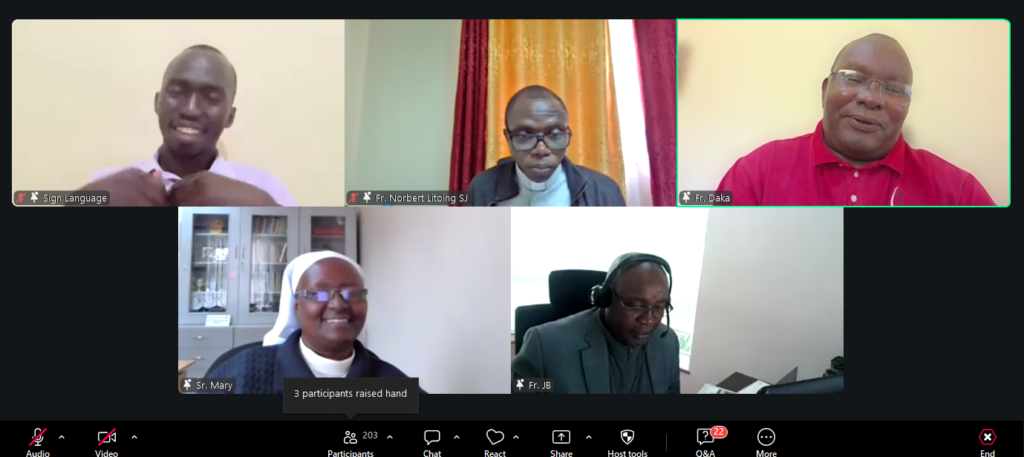
Still, these kinds of collaborations do not happen often enough. Many institutions focus on protecting their image, and talking about safeguarding with other faiths can feel like admitting problems. To make real progress, groups need to stop being defensive and start facing the real issues instead of just comparing ideals.
In the end, safeguarding shows whether an institution has integrity. It reveals how organizations handle trust, use their authority, and care for the most vulnerable. Because faith communities have so much influence, they have both the chance and the duty to lead by example.
Moving forward, everyone needs to commit together. Safeguarding should be seen as a shared moral duty, not just something required from outside. It needs to be part of leadership, built into the culture, and supported by working together. The credibility of any faith tradition depends not only on its teachings but on how they are practiced, especially in protecting the vulnerable. Interfaith collaboration provides a practical and necessary way to strengthen this commitment, ensuring safeguarding becomes a lived reality across communities.
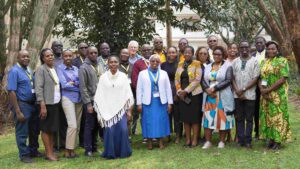
Thank you for spearheading this Webinar. Together we can do more.
God bless you.
Title
Shared Responsibility: Strengthening Safeguarding Through Interfaith Collaboration in Africa
Introduction
Safeguarding—protecting children, vulnerable adults, and communities from abuse, neglect, and exploitation—is a pressing concern in Africa. While individual religious organizations have made significant contributions, the complexity of social, cultural, and economic challenges necessitates a collaborative approach. Interfaith collaboration can harness collective resources, moral authority, and local networks to create sustainable, culturally sensitive safeguarding initiatives.
The Case for Interfaith Collaboration in Safeguarding
Diverse Reach and Influence
Religious institutions often reach communities where government services are limited.
Collaboration between faith groups allows safeguarding initiatives to be implemented across different cultural and religious contexts.
Shared Moral and Ethical Frameworks
Many African communities look to religious teachings for guidance.
Interfaith partnerships emphasize common values such as protection, dignity, and justice, reinforcing community adherence to safeguarding principles.
Resource Sharing and Capacity Building
Pooling financial, human, and technical resources strengthens programs.
Training programs for clergy, lay leaders, and volunteers become more robust when institutions collaborate.
Addressing Cultural and Social Barriers
Certain harmful practices (e.g., child marriage, gender-based violence) are deeply rooted in culture.
A united interfaith approach allows messaging to be culturally nuanced and widely accepted.
Challenges in Interfaith Safeguarding Initiatives
Theological Differences: Varied beliefs may influence perspectives on issues such as family roles or child discipline.
Power Dynamics: Dominance of one religious group can hinder equal participation.
Resource Inequalities: Some faith institutions have more capacity, which may create imbalances.
Trust and Communication Gaps: Misunderstandings between faith groups can delay action.
Strategies for Effective Interfaith Collaboration
Establish Common Safeguarding Principles
Focus on universally agreed goals such as child protection, prevention of abuse, and community well-being.
Joint Training Programs
Equip religious leaders and community workers with skills in identifying and responding to safeguarding concerns.
Community Engagement and Awareness Campaigns
Use interfaith platforms to educate communities about safeguarding rights and responsibilities.
Monitoring and Accountability Structures
Develop shared reporting mechanisms and regular evaluation to maintain transparency and effectiveness.
Policy Advocacy
Advocate collectively for government policies and laws that protect vulnerable populations.
Case Examples in Africa
Kenya: Interfaith groups partnered to address child sexual abuse through community workshops and school programs.
Nigeria: Muslim and Christian organizations jointly campaigned against gender-based violence and harmful cultural practices.
South Africa: Interfaith networks worked on mental health support for children in vulnerable communities, sharing counseling and educational resources.
Conclusion
Strengthening safeguarding in Africa requires a shared responsibility that transcends individual religious boundaries. Interfaith collaboration not only amplifies reach and resources but also models the moral unity necessary to address systemic issues. By focusing on shared values, joint training, and collective advocacy, faith communities can create a safer, more protective environment for all vulnerable populations.